
Is Your Yard Ready? New Jersey Mosquito Season Is Already Underway in 2026
If you've been spending time outside lately and coming in with bites, it's not your imagination. Mosquito season in New Jersey doesn't wait for summer — and in 2026, it arrived earlier than most homeowners expected. The good news is that acting now, before peak season hits in July, is one of the most effective things you can do to protect your yard and your family.
Here's what you need to know about what's happening in your yard right now.
Frequently Asked Questions About NJ Mosquito Season
Has mosquito season actually started in New Jersey already?
Yes. Mosquito populations that began establishing in April are already active across Morris, Essex, Somerset, and Bergen Counties — the exact areas we serve. The peak of the season typically runs from late June through early September, but mosquitoes are biting and breeding right now, ahead of that surge. Experts are forecasting a particularly active summer in 2026 due to a mild winter and wet spring conditions that created ideal breeding environments across the region.
When is mosquito season at its worst in New Jersey?
Mosquitoes in New Jersey are generally active from late April through October, but the most intense period is late June through early September. As temperatures climb and humidity rises, the mosquito life cycle accelerates — eggs can develop into biting adults in as little as five to seven days during peak summer heat. That's why getting ahead of the season in May and early June makes such a significant difference.
Where are mosquitoes breeding in my yard right now?
This is the question most homeowners don't think to ask until they're already dealing with a problem. Mosquitoes don't need much water to breed — a single bottle cap's worth is enough for some species. Common breeding hotspots in a typical New Jersey yard include:
- Clogged or slow-draining gutters
- Low-lying areas of lawn that hold water after rain
- Birdbaths, decorative fountains, or water features without circulation
- Tarps, garbage can lids, or outdoor furniture covers that collect water
- Garden saucers and plant containers
- Children's toys, buckets, or anything left outside that can collect rainwater
The Asian Tiger Mosquito, one of the most aggressive and prevalent species in New Jersey, can complete a full breeding cycle in a quarter-inch of standing water. With the rainfall we've seen this spring, most properties have already had multiple rounds of potential breeding activity.
Are mosquitoes in New Jersey dangerous?
Both — and the health risk is real. New Jersey has seen a steady increase in West Nile Virus cases over the past few seasons, with 2024 producing one of the highest recorded case counts in recent years. The NJ Department of Health and NJDEP both conduct active mosquito surveillance programs throughout the summer. Beyond West Nile, mosquitoes can also carry Eastern Equine Encephalitis (EEE), a rare but serious illness. For most families, the immediate concern is comfort and being able to actually enjoy your backyard — but the disease risk is a genuine reason to take mosquito control seriously.
What can I do on my own to reduce mosquitoes?
There are several things every homeowner can do to make their yard less hospitable to mosquitoes:
- Dump and refresh birdbaths at least twice a week
- Clean out gutters before summer so water drains properly
- Fix any areas of your yard with poor drainage or standing water
- Keep grass trimmed and shrubs thinned — mosquitoes rest in dense vegetation during the day
- Remove or store containers that collect water when not in use
- Run outdoor fans on patios — mosquitoes are weak fliers and fans disrupt their ability to land
These steps help, but they won't eliminate the problem on their own, especially on properties with mature landscaping, trees, or areas that are difficult to fully drain.
Is professional mosquito treatment safe for my kids and pets?
At Dial Environmental, this is one of the most common questions we hear — and it's exactly the right one to ask. Our mosquito control treatments are built around our Choosing Green First® philosophy, which means we prioritize EPA-approved, eco-friendly products that are carefully applied to minimize impact on your family, pets, and the surrounding environment. We focus applications on the areas where mosquitoes actually rest and breed — dense vegetation, shaded areas, and around standing water — rather than blanketing your entire property.
What does professional mosquito control actually involve?
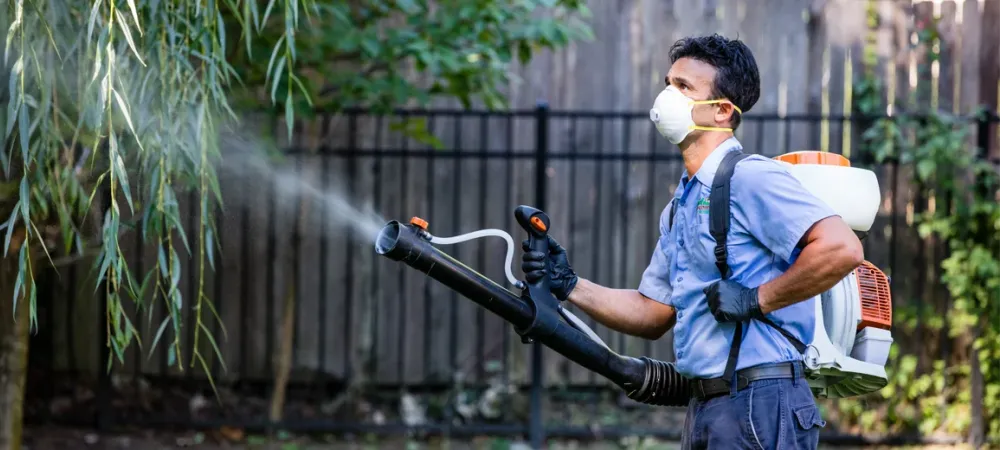
Our mosquito control program includes barrier treatments applied to vegetation and key resting areas throughout your yard, with routine visits through the peak season. The treatments leave a residual barrier that continues working between visits, significantly reducing the adult mosquito population on your property. This approach is far more effective than DIY sprays or citronella products, which offer limited and short-term relief.
When is the best time to start mosquito treatments?
Right now. Starting treatments in late May or early June — before the July population surge — gives the barrier time to establish and interrupts breeding cycles before they compound. Waiting until you're already being swarmed every time you step outside means you're playing catch-up for the rest of the summer. Our customers who start early consistently see better results through the full season than those who call us in August.
Protect Your Yard Before Peak Season Hits
Don't wait until a backyard barbecue is ruined to think about mosquito control. Dial Environmental has been protecting New Jersey families from summer pests since 1984, using safe, effective treatments tailored to your property.
Get a free quote today and get ahead of the season before the July surge hits.